


Flying higher and higher!
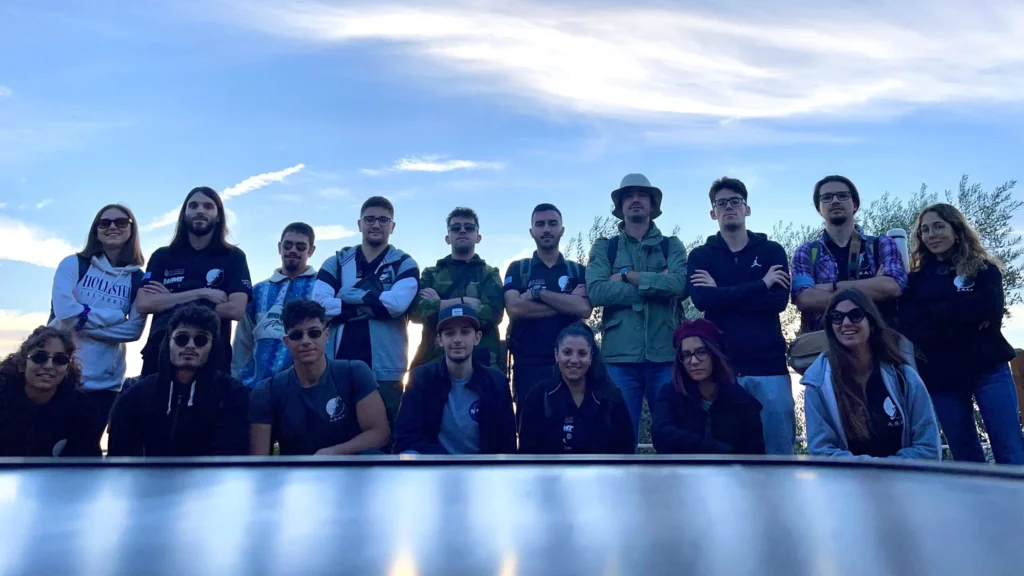
The year 2021 is one of the most important ones for ASAT and the Rocketry Project, as the team had the opportunity to participate in two rocket competitions, the Spaceport America Cup 2021 Virtual in June and the European Rocketry Challenge (EuRoC) in October, where the rocket SELENE competed among others. EuRoC was held on […]
ASAT Travels from America to Europe
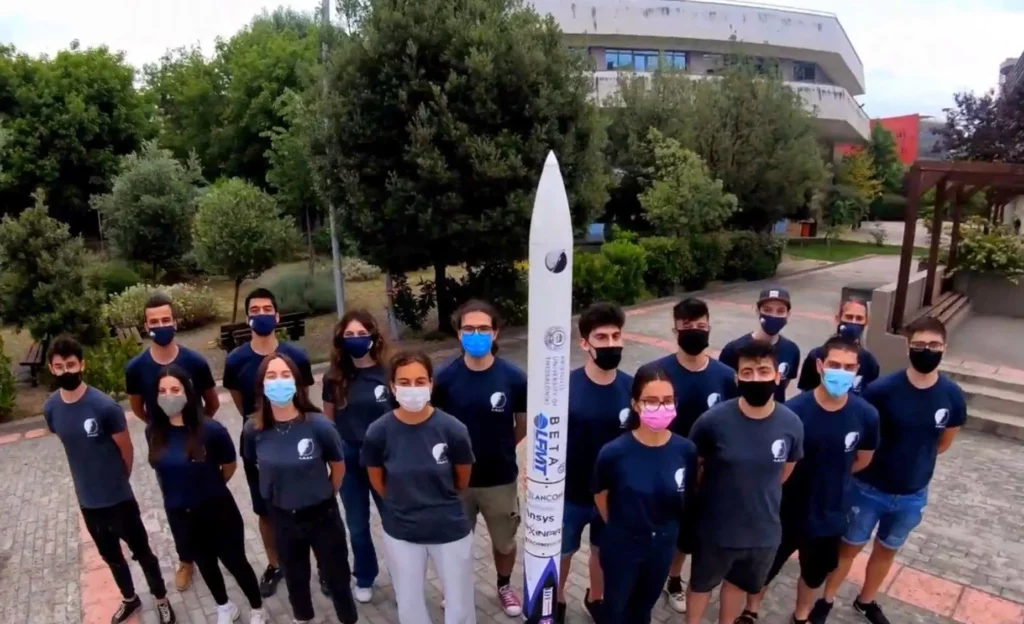
During 2021, ASAT’s team managed not only to be accepted, but also to distinct in the world’s largest interuniversity rocketry competition, Spaceport America Cup (SAC) 2021. The competition’s goal is to design, manufacture and launch a rocket at an apogee of 10,000ft or 30,000ft, with the safest possible recovery. In this context, student teams from […]
Discovering the challenges of solar unmanned aerial flight
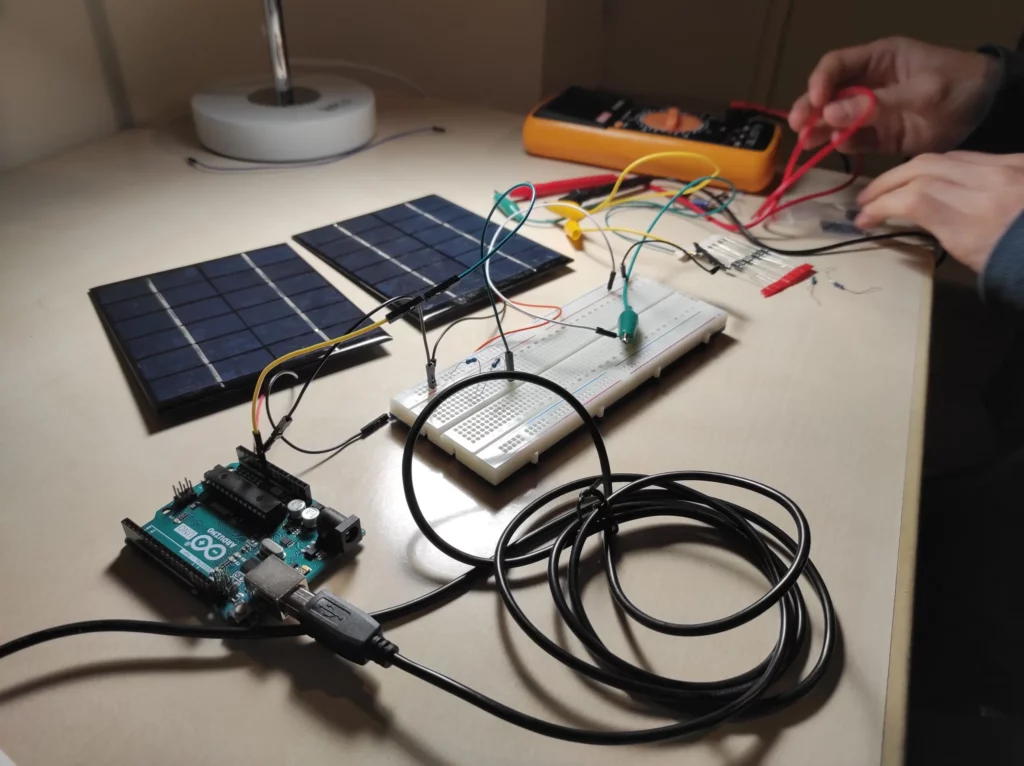
The Solar Energy Management (SEM) sub-system of the Aeronautics Project was founded in April 2020 and aims at building the necessary photovoltaic system that will meet the energy requirements of our Solar UAV – Phoenix. It is also responsible for optimizing generated energy from the sun and properly distributing it to the rest of the […]
Rocketry Project: the fruitful transition from 2020 to 2021
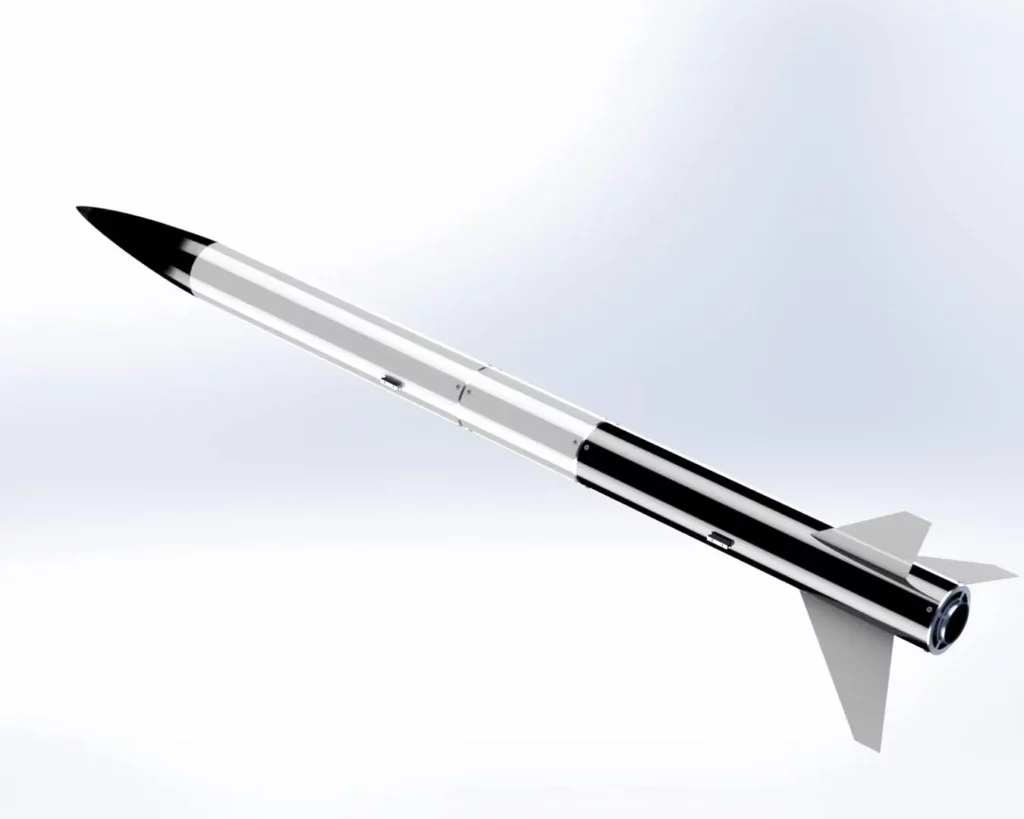
In 2020, Rocketry managed to face the sudden changes and achieve its goals. Its members worked on giving the best results and they continue with even more energy and new data to develop and improve. The past year, a great achievement for the Project was the construction of Hyperion, which is our first project, as […]
Aeronautics' Project 2020 achievements
Aeronautics has entered 2021 with a more dynamic and versatile personality, while its enhanced capabilities allow the project to set a list of S.M.A.R.T and exciting goals. First of all, the project has managed to arm itself with numerous, new capable members, who are to significantly facilitate the process of R&D (Research & Design). A […]
Aeronautics' Solar UAV
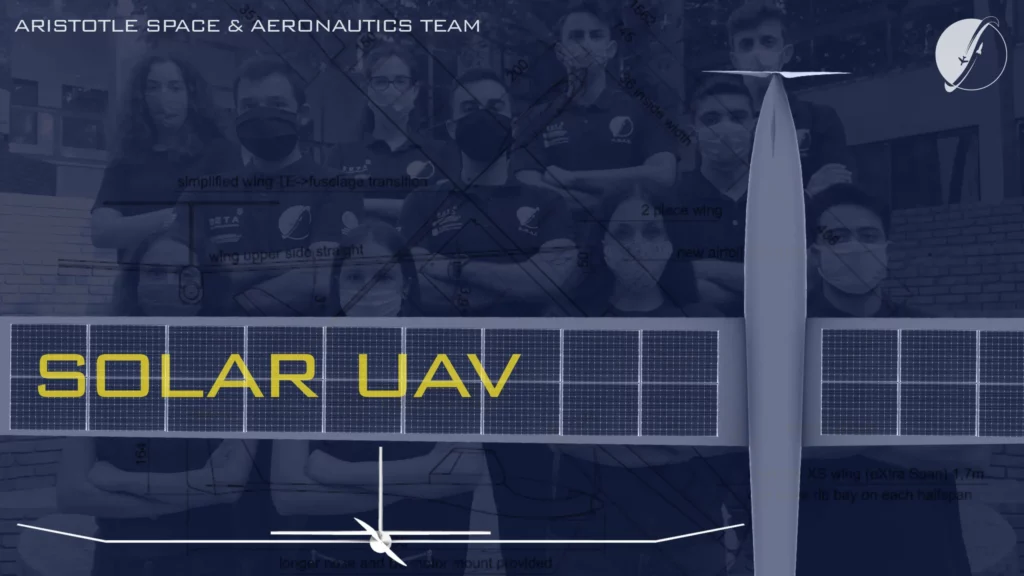
Solar UAV Aeronautics project continues to thrive and leads to innovation! Inspired by the vision of the previous generation of project members, Aeronautics presents the inception of the design of a pioneering Unmanned Aerial Vehicle (UAV). This particular UAV will be powered by solar radiation with the use of solar panels, with its primary objectives the […]
Rocketry Avionics Subsystem
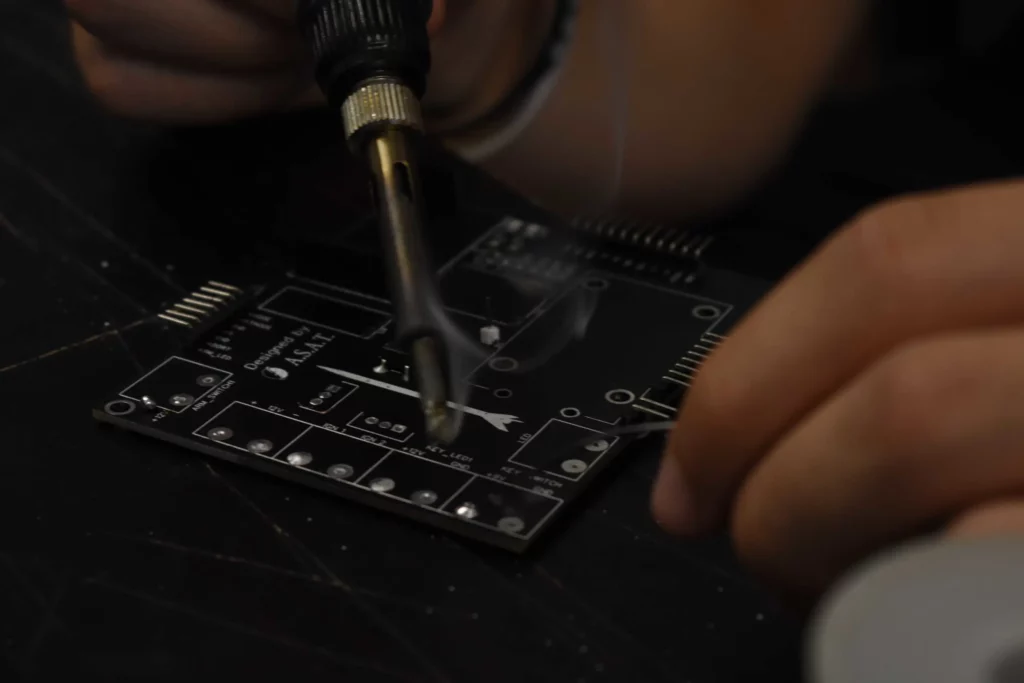
Avionics Subsystem The Avionics subsystem is responsible for implementing four different tasks. Their initial remit is Avionics bay, where the flight computer is located. Following is the GPS bay, whose job is to find the location where the rocket has landed with GPS’ module help. The Ignition Box is another responsibility of the subsystem and […]
Rocketry Aerodynamics Subsystem
Aerodynamics Subsystem The Aerodynamics subteam is responsible for the design of the aerodynamic surfaces of the rocket. The goal is to design a rocket that reaches the desired apogee while remaining stable throughout the flight. To achieve that the subteam designs and analyzes the nosecone, body tube and fins of the rocket. Also the subteam […]
Rocketry Structural Subsystem
Structural Subsystem In rocketry, structural engineers design the “bones and muscles” that create the form and shape of a rocket and in managing to successfully do so, they usually work in cooperation with an aerodynamics team. Structural engineers need to understand and calculate the weight, strength, and rigidity of the rocket that is going to […]
Aeronautics Aerodynamics Subsystem
Aerodynamics Subsystem The aerodynamic design of an air vehicle, apart from the study and analysis of the aerodynamic behavior of its parts (wing, fuselage, tail), singleton or combined, includes the study of its dynamic behavior as well, by sizing the control surfaces. This task is undertaken by the control subsystem of the aerodynamics subteam. The […]